


I’ve been conducting a research project on ways to fight against THE SLOPPENING. How can we prevent the tech companies in our lives from turning our brains into liquified goo? Ad-supported, engagement maximizing services are such a potent combo that I wanted to answer if we could stop it from getting worse.
Here’s the short answer: Yes.
The slightly-longer answer is still yes, but it requires two things:
New companies: There are a new type of multi-billion dollar companies being built that explicitly help their users train themselves to reject slop. I’ll have original research on those firms coming out early next week.
New habits: The simplest/best way to prevent the sloppening is to just, uh, stop participating. If you can muster the discipline to delete the apps and crack open up a challenging piece of media, then all of a sudden you are free of it.
My wife—who I am infinitely proud of and will use my large public platform to brag about—has been an example of option two. As part of her PhD program, she has had to read over 100 books over the last six months that I find challenging and boring to even look at. These are dense tomes ranging from German philosophy to modernist British fiction, none of which are easy to read. To study that many serious books in 6 months is an all-consuming task and she has been forced by circumstance to delete her social media and check out of THE SLOPPENING. I’ve watched how this choice has simplified her life and increased her focus. It’s been inspiring to witness and was part of the reason I’ve been on this journey myself.
While the rest of us mere mortals should never, ever attempt to get a PhD, we can all do something similar. We can surround ourselves with good media, and in so doing, change how we think. You can just read things!
To help you do just that, I thought I would offer up a recommended list of anti-slop, still-slaps works that are officially consecrated and approved by the entirety of The Leverage’s staff (aka me).
The goal with each of these is that they are challenging, but still accessible. They’ll require effort, but that effort will be rewarded in spades. To help make it more enticing, I’ve weighted this list to more recent works so you also have to deal with FOMO if you decide to ignore this list.
Let’s get it!
FICTION BOOKS
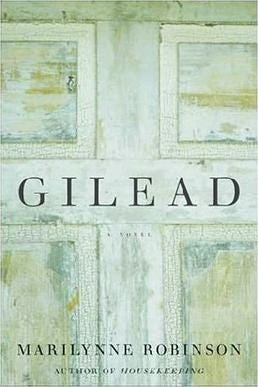
Gilead (Marilynne Robinson, 2004) Robinson wrote an epistolary novel about a dying preacher in Iowa and somehow made it one of the most intellectually demanding works of the 21st century. It’s the rare book that treats theology seriously—it uses it as a living framework for understanding mortality, legacy, and what we owe each other. It’s an interesting read prose-wise too. It is simple, economical writing that you can fly through. However, if you pay attention there are hidden depths and pools of stillness in this book. If you’ve optimized your life but still feel hollow, this will articulate why.
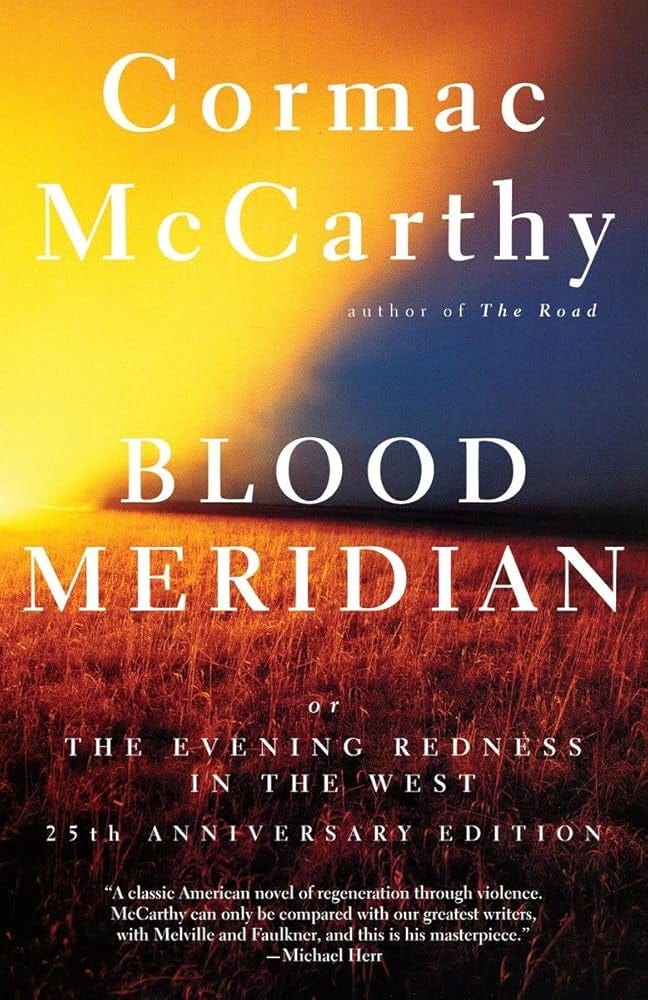
Blood Meridian (Cormac McCarthy, 1985) McCarthy wrote the great American novel about violence, and almost nobody read it for twenty years because it’s genuinely difficult to stomach. Once again, the prose is economical, but the depth comes from a semi-fantastical setting—Biblical cadences describing industrialized slaughter along the Texas-Mexico border—and the Judge is perhaps the most terrifying philosophical antagonist in literature. On a meta-level what makes this book challenging is the Cormac McCarthy had a relationship with a 16 year old when he was 42. Rereading this book in that light makes it all the more challenging.
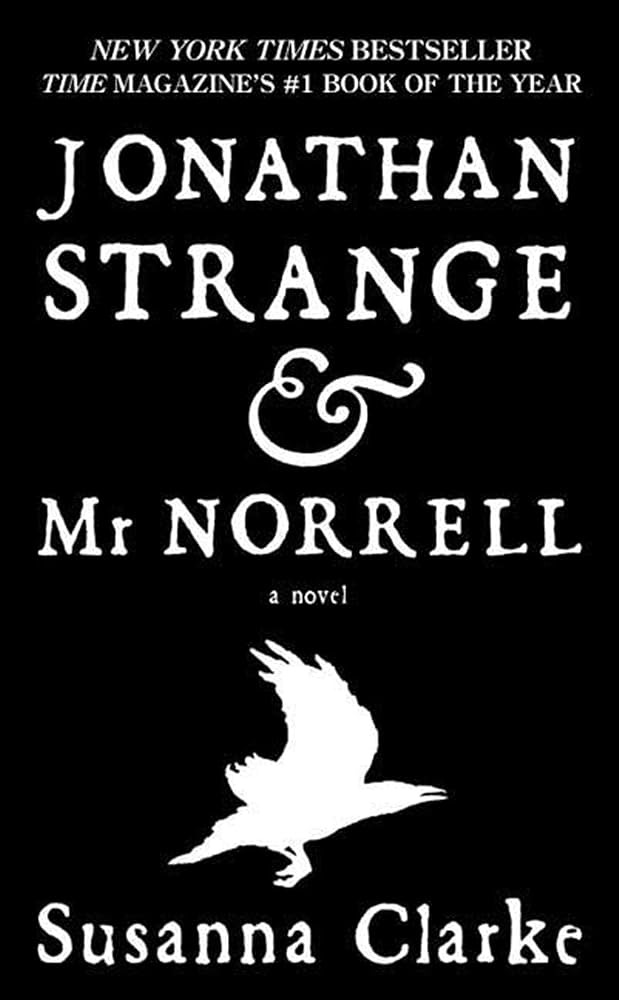
Jonathan Strange & Mr Norrell (Susanna Clarke, 2004) An 800-page alternate history of magic in Napoleonic England that reads like Austen wrote a fantasy epic with footnotes. It is the opposite of Blood Meridian and Gilead in that it luxuriates in wordplay and detail. Clarke built an entire magical system that functions like institutional infrastructure, with the first half of the book mostly being world building. Still, this somehow is a page-turner. The rare fantasy book where the writing is just as good as the story.
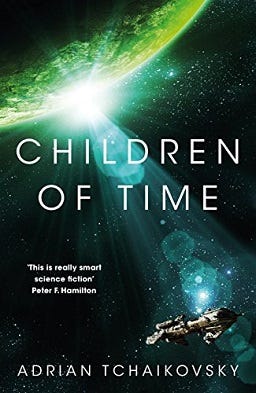
Children of Time (Adrian Tchaikovsky, 2015) Alien intelligence is familiar ground for science fiction, but I think Children of Time is perhaps the best ever execution of the concept. In the book, Tchaikovsky builds a civilization of evolved spiders from first principles over thousands of years. And really, the worldbuilding makes most AI speculation look lazy. Read this and compare it with the state of the discourse on “AGI” and you tell me which sounds crazier.
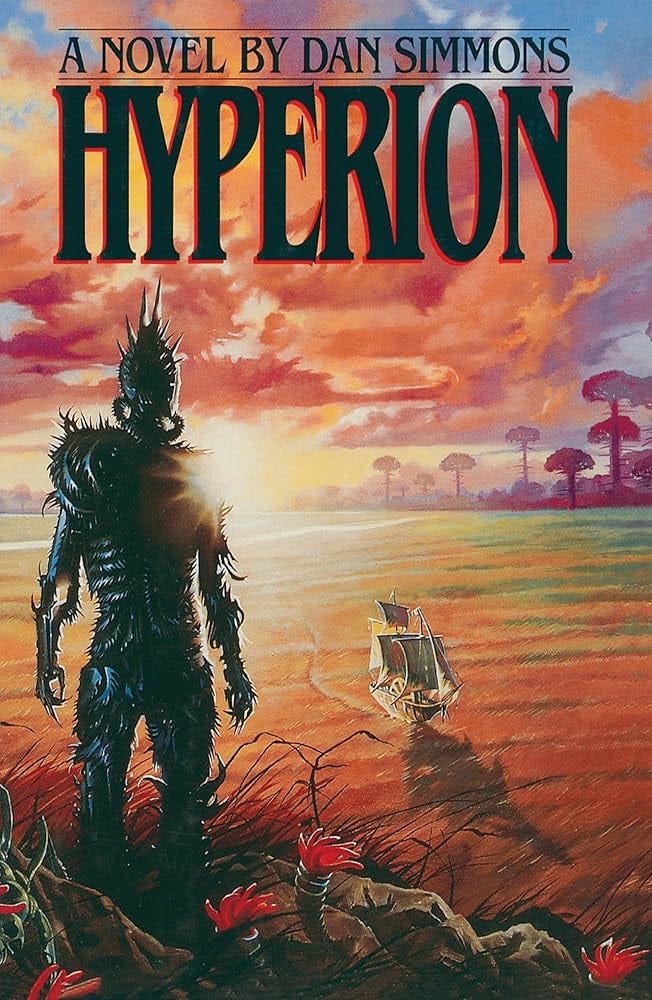
Hyperion (Dan Simmons, 1989) Likely my favorite sci-fi book of all time. Simmons structured a space opera as a Canterbury Tales homage and somehow threaded six completely different genre stories into a coherent whole. Each pilgrim’s tale would work as a standalone novella; together they build something genuinely mythic. Read it, read it, read it.
NON-FICTION BOOKS
Discipline and Punish (Michel Foucault, 1975) Foucault’s study of prison systems is actually a framework for understanding how all modern institutions shape behavior through surveillance and normalization. Dense but essential—the insights about power operating through visibility, not violence, have only become more relevant. If you want a quick preview, here is a review I wrote about it in relation to the new growth in computer vision models.
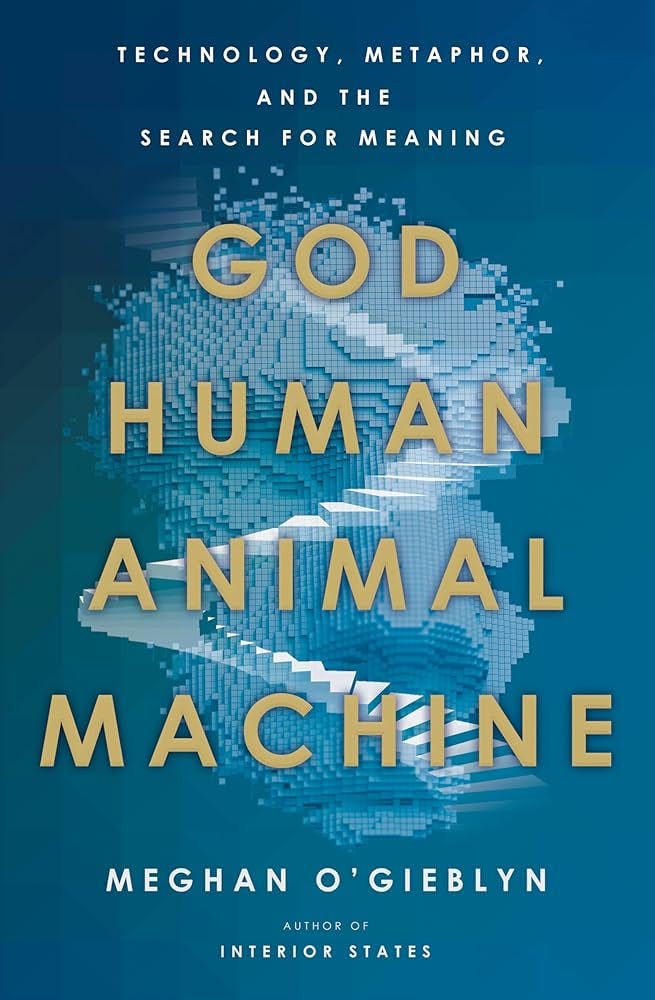
God, Human, Animal, Machine (Meghan O’Gieblyn, 2021) O’Gieblyn trained at a fundamentalist Bible college before losing her faith and becoming a tech essayist, and that trajectory makes her uniquely positioned to see what Silicon Valley inherited from Calvinism. As a person who is also working through a complex relationship to faith and writes tech essays, this obviously appeals to me. Beyond me though, I thought this book did an excellent job tracing the religious substrate underneath all our technological anxiety. I find essentially all discourse on “does AI have a soul” intellectually and spiritually shallow. This book is actually insightful.
